

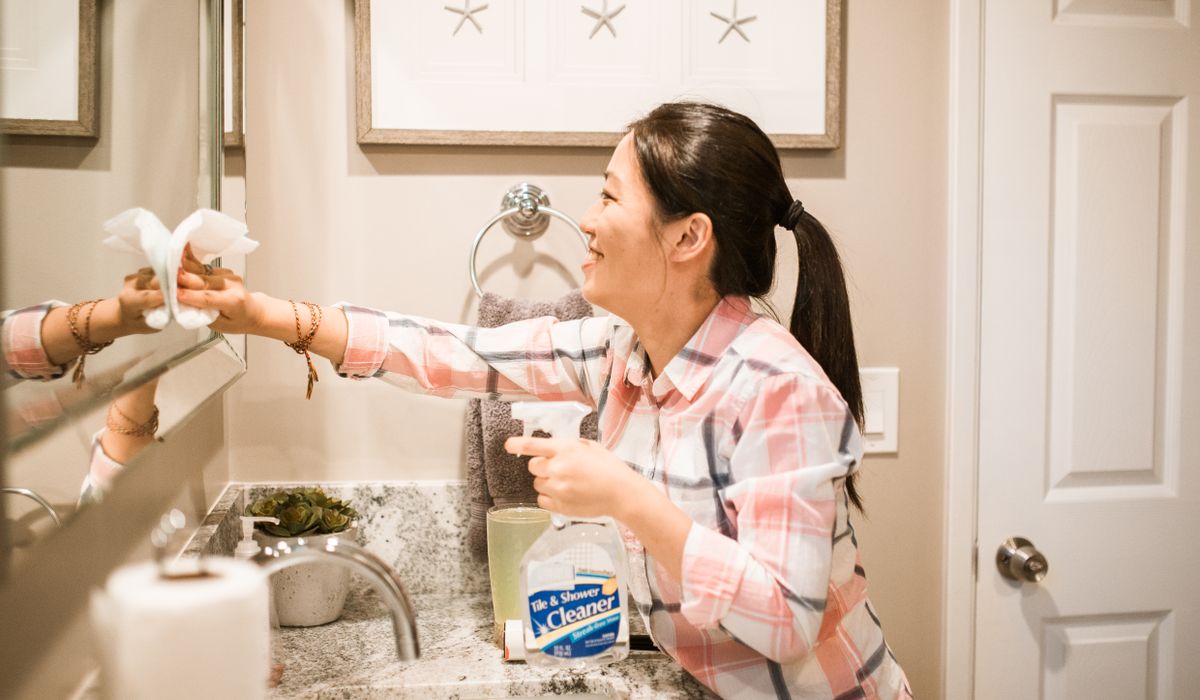
Set Up for a Smooth Deep Clean
Spring cleaning the kitchen is less about scrubbing harder and more about working smarter. The heart of your home collects grease, crumbs and condensation all winter, so a room-by-room plan will save you time and energy. Before you reach for the cloths, clear as much as you can from the worktops. Put away small appliances, empty the dish rack and move cereal boxes and fruit bowls to the dining table. This gives you space to work and makes it easier to see the grime that hides in plain sight.
Gather your supplies so you are not constantly running to the cupboard. You will need:
- Two buckets — one for hot soapy water, one for rinse water
- Microfibre cloths and a couple of old toothbrushes for awkward corners
- Bicarbonate of soda, white vinegar, washing-up liquid and a suitable glass or surface cleaner
- A bin bag for out-of-date food and another for recycling
- Rubber gloves and a step stool if you have high cupboards
Work from top to bottom and from the back of each cupboard to the front. This way, any crumbs or drips fall onto surfaces you have not cleaned yet, and you will not have to repeat steps. Open a window while you work — good ventilation helps grease release and keeps the room fresh.
Declutter and Wipe Down Cupboards Inside and Out
Empty one cupboard at a time rather than pulling everything out at once. Check use-by dates on dry goods, spices and baking supplies, and wipe jars and packets before putting them back. A simple paste of bicarbonate of soda and a little water lifts sticky rings and old spills from shelves. For stubborn residue, leave the paste for five minutes, then wipe with a clean damp cloth.
Do not forget the cupboard doors. Grease and fingerprints build up around handles, especially on frequently used cupboards. Wash doors with hot soapy water, then dry immediately to avoid streaking. Use an old toothbrush dipped in soapy water to clean the grooves and hinges. If your cupboards have a matt finish, test any cleaner on a hidden area first. Once shelves are dry, consider lining them with fresh paper or washable liners — it makes future cleaning much quicker.
Banish Hidden Grease from Hob, Extractor and Splashbacks
Cooking grease travels further than you think, coating the extractor hood, splashback and even the top of wall cupboards. Start with the extractor filter. Most metal filters can be soaked in hot water with a generous squirt of washing-up liquid and a handful of bicarbonate of soda. Leave for 15 minutes, then scrub with a non-scratch brush and rinse well. While the filter soaks, tackle the hob. Remove pan supports and burner caps if you have a gas hob, and soak them in hot soapy water. For ceramic or induction hobs, use a specialist cleaner or a paste of bicarbonate of soda and water — avoid abrasive pads that can scratch the surface.
For splashbacks, white vinegar is excellent for cutting through light grease and limescale. Spray or wipe on, leave for a few minutes, then wipe clean with a damp microfibre cloth. If the grease is thick, use a degreaser suitable for your splashback material. Finish by wiping the extractor hood exterior and the wall behind it. A final buff with a dry cloth leaves a shine and helps repel new splatters.
Give Appliances a Thorough Once-Over
Appliances deserve more than a quick wipe. The oven is often the biggest job, so start it early. A paste of bicarbonate of soda and water, spread over the interior (avoiding heating elements), left overnight, will soften burnt-on food. The next day, wipe it away with a damp cloth and a little white vinegar. For the fridge, empty it completely, remove shelves and drawers, and wash them in hot soapy water. Wipe the interior with a solution of bicarbonate of soda and warm water, then dry thoroughly. Check door seals for crumbs and wipe with a damp cloth — a clean seal helps the fridge run efficiently.
Steam-clean the microwave by heating a bowl of water with a few slices of lemon for three minutes. Leave the door closed for five minutes, then wipe away loosened food. Empty the toaster over the bin and wipe the outside. Descale the kettle with a 50/50 mix of water and white vinegar, boil, rinse and repeat with clean water. If you have a dishwasher, remove and rinse the filter, then run a hot cycle with a cup of white vinegar placed in the top rack.
Refresh the Sink, Floor and Finishing Touches
The sink is the workhorse of the kitchen, so give it a proper finish. Sprinkle bicarbonate of soda around the basin and drain, add a splash of white vinegar, and let it fizz. Scrub with a non-scratch pad, then rinse with hot water. For a fresh scent, rub half a lemon over the taps and basin before rinsing. To remove limescale from tap heads, fill a small bag with white vinegar, secure it over the tap with an elastic band, and leave for an hour. Remove, rinse and buff dry.
Finally, sweep or vacuum the floor, then mop with a solution suitable for your flooring. Do not forget the skirting boards, which collect dust and grease, and wipe light switches and cupboard handles with a disinfectant spray. Wash tea towels, oven gloves and aprons on a hot cycle. Open the windows, let the room dry completely, and enjoy the fresh, organised space you have created. A deep clean like this once a season makes everyday kitchen life feel calmer and more inviting.





John Doe
14 January, 2022Having no content in post should have adverse..
Chauffina Carr
10 April, 2022We use these tests all time! Killer stuff!
Jim Séchen
16 July, 2022Thanks for all the comments, everyone!